The menstrual cycle is a natural monthly process that prepares the body for pregnancy. It involves hormonal changes, the release of an egg, and the shedding of the uterine lining if pregnancy does not occur. While the average menstrual cycle lasts 28 days, a normal cycle can range from 21 to 35 days, and periods usually last between 3 to 7 days. Understanding the menstrual cycle helps individuals recognize what is normal, track their reproductive health, and identify when something may need medical attention.
The menstrual cycle is divided into four main phases: menstrual phase, follicular phase, ovulation phase, and luteal phase. Each phase is controlled by hormones such as estrogen, progesterone, follicle-stimulating hormone (FSH), and luteinizing hormone (LH). These hormones work together to regulate ovulation and prepare the uterus for a possible pregnancy.
1. Menstrual Phase
The menstrual phase is the first stage of the cycle and begins on the first day of bleeding. This is commonly known as the period. During this phase, the body sheds the thickened lining of the uterus because pregnancy has not occurred. Menstrual blood, which contains blood and tissue, leaves the body through the vagina.
This phase usually lasts between 3 to 7 days, although some people may experience slightly shorter or longer periods. Common symptoms during this stage include cramps, lower back pain, fatigue, bloating, headaches, acne, mood swings, and food cravings. These symptoms happen because estrogen and progesterone levels are at their lowest. The uterus contracts to help release the lining, which causes cramps.
Some people have mild symptoms, while others may experience stronger discomfort. Severe pain, extremely heavy bleeding, or periods lasting longer than seven days may require medical attention.
2. Follicular Phase
The follicular phase begins on the first day of menstruation and continues until ovulation. This means it overlaps with the menstrual phase. During this stage, the brain releases FSH, which stimulates the ovaries to produce follicles. Each follicle contains an immature egg.
Usually, one follicle becomes dominant and develops into a mature egg. At the same time, estrogen levels begin to rise. This increase helps rebuild and thicken the uterine lining, preparing it for possible implantation of a fertilized egg.
Many people notice positive physical and emotional changes during the follicular phase. Energy levels may increase, mood often improves, skin may become clearer, and concentration can be better. Some people also notice an increase in motivation and social confidence.
This phase generally lasts around 10 to 14 days but can vary from person to person.
3. Ovulation Phase
Ovulation is the shortest but one of the most important phases of the menstrual cycle. It usually occurs around day 14 in a 28-day cycle, although timing can vary depending on cycle length.
During this phase, a sharp rise in luteinizing hormone (LH) causes the ovary to release a mature egg. The egg then travels through the fallopian tube, where it may be fertilized by sperm. This is the most fertile time of the cycle.
Ovulation lasts about 24 hours because the egg survives for only a short time after release. However, sperm can survive in the body for several days, which creates a fertile window of several days before ovulation as well.
Common signs of ovulation include clear, stretchy discharge similar to egg whites, a slight rise in body temperature, mild pelvic pain or cramping, increased libido, and higher energy levels. Some people also feel more confident and emotionally balanced during this stage.
4. Luteal Phase
The luteal phase begins after ovulation and lasts until the next period starts. During this stage, the empty follicle transforms into a structure called the corpus luteum, which produces progesterone and some estrogen.
Progesterone helps keep the uterine lining thick and ready for a fertilized egg to implant. If pregnancy occurs, hormone levels remain high to support early pregnancy. If pregnancy does not happen, hormone levels drop, and the uterine lining begins to break down, leading to the next menstrual period.
This phase is often associated with premenstrual syndrome (PMS). Common symptoms include bloating, breast tenderness, mood swings, irritability, fatigue, acne, food cravings, anxiety, and difficulty sleeping. These symptoms vary widely from person to person.
The luteal phase typically lasts about 12 to 14 days.
What Is Considered Normal?
A healthy menstrual cycle usually occurs every 21 to 35 days and includes bleeding for 3 to 7 days. It is also normal for cycles to be slightly irregular during teenage years, after childbirth, or during times of stress because hormones can fluctuate.
However, certain signs may indicate that medical advice is needed. These include:
- Very heavy bleeding
- Severe pain during periods
- Missing periods for several months
- Bleeding between periods
- Cycles shorter than 21 days or longer than 35 days
- Periods lasting longer than 7 days
These symptoms could be linked to hormonal imbalances, stress, thyroid issues, polycystic ovary syndrome (PCOS), or other health concerns.
Why Tracking Your Cycle Matters
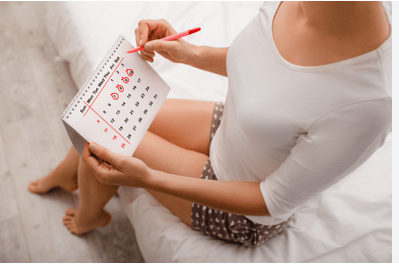
Tracking the menstrual cycle helps people understand their body better. It can help predict periods, recognize ovulation, manage PMS symptoms, and identify unusual changes early. Many people use calendars or mobile apps to monitor cycle length, symptoms, and flow patterns.
Cycle tracking is also useful for fertility awareness and discussing concerns with healthcare providers.
Final Thoughts
The menstrual cycle is much more than just a monthly period. It is a complete hormonal process that affects physical health, mood, energy, and reproductive wellness. Understanding the four phases—menstrual, follicular, ovulation, and luteal—helps people feel more informed and prepared for the changes their body experiences each month.
Every cycle is different, and every body is unique. Knowing what is normal for you is one of the best ways to support your overall health and well-being.