Endometriosis is a common yet often misunderstood women’s health condition that affects millions of individuals worldwide. Despite its prevalence, awareness about endometriosis remains limited, leading to delayed diagnosis and unnecessary suffering. By understanding its symptoms, causes, and treatment options, individuals can take proactive steps toward better reproductive health.
In this article, we uncover everything you need to know about endometriosis and why early awareness is crucial.
What Is Endometriosis?
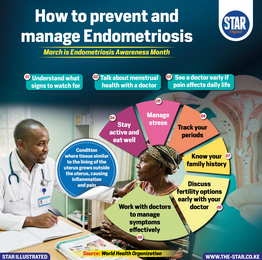
Endometriosis is a medical condition where tissue similar to the lining of the uterus (endometrium) grows outside the uterus. These abnormal growths are commonly found on the ovaries, fallopian tubes, and pelvic lining.
Unlike normal uterine tissue, which exits the body during menstruation, this misplaced tissue has no way to leave. As a result, it becomes trapped, causing inflammation, pain, and sometimes scar tissue formation.
This condition can significantly impact a person’s daily life, especially during menstrual cycles.
How Common Is Endometriosis?
Endometriosis affects approximately 10% of women of reproductive age, making it one of the most common gynecological conditions globally.
However, many cases go undiagnosed due to lack of awareness or misinterpretation of symptoms as normal menstrual pain. Early diagnosis can make a significant difference in managing the condition effectively.
Symptoms of Endometriosis
The symptoms of endometriosis can vary widely from person to person. Some individuals experience severe pain, while others may have mild or no symptoms at all.
Common symptoms include:
- Severe menstrual cramps (beyond normal pain)
- Chronic pelvic pain
- Pain during or after intercourse
- Pain during bowel movements or urination
- Heavy menstrual bleeding or irregular periods
- Fatigue, bloating, and nausea
- Difficulty getting pregnant (infertility)
One of the most noticeable signs is intense pelvic pain, especially during menstruation, which may worsen over time.
If these symptoms interfere with daily life, it is important to consult a healthcare professional.
Causes of Endometriosis
The exact cause of endometriosis is still not fully understood, but several theories have been proposed.
Possible causes include:
1. Retrograde Menstruation
This occurs when menstrual blood flows backward into the pelvic cavity instead of leaving the body, allowing endometrial cells to implant outside the uterus.
2. Hormonal Imbalance
High levels of estrogen may promote the growth of endometrial-like tissue outside the uterus.
3. Genetic Factors
Endometriosis tends to run in families, suggesting a genetic link.
4. Immune System Issues
A weakened immune system may fail to recognize and destroy misplaced tissue.
While these factors provide insight, more research is needed to fully understand the condition.
Complications of Endometriosis
Endometriosis is more than just painful periods—it can lead to serious complications if left untreated.
1. Infertility
Endometriosis is one of the leading causes of infertility. The condition can damage reproductive organs or block the fallopian tubes, making conception difficult.
2. Chronic Pain
Ongoing pelvic pain can affect daily activities, mental health, and overall quality of life.
3. Adhesions and Scar Tissue
The condition can cause tissues and organs to stick together, leading to further complications.
How Is Endometriosis Diagnosed?
Diagnosing endometriosis can be challenging because its symptoms often mimic other conditions.
Common diagnostic methods include:
- Pelvic examination
- Ultrasound or MRI scans
- Laparoscopy (a minor surgical procedure)
Laparoscopy is considered the most accurate method, as it allows doctors to directly view and confirm the presence of endometrial-like tissue.
Early diagnosis is key to preventing complications and managing symptoms effectively.
Treatment Options for Endometriosis
Although there is currently no permanent cure for endometriosis, several treatments can help manage symptoms and improve quality of life.
1. Pain Management
Over-the-counter pain relievers can help reduce discomfort.
2. Hormonal Therapy
Birth control pills and hormone treatments can regulate or stop menstruation, slowing the growth of endometrial tissue.
3. Surgical Treatment
In severe cases, surgery may be recommended to remove endometrial growths and scar tissue.
Treatment plans vary depending on the severity of symptoms, age, and whether the individual wants to conceive.
Lifestyle Tips for Managing Endometriosis
In addition to medical treatment, certain lifestyle changes can help manage symptoms:
- Maintain a balanced diet
- Exercise regularly
- Manage stress through relaxation techniques
- Avoid excessive caffeine and processed foods
While lifestyle changes cannot cure endometriosis, they can improve overall well-being and reduce symptom severity.
Why Awareness Matters
One of the biggest challenges with endometriosis is the delay in diagnosis. Many individuals suffer for years, assuming their symptoms are normal.
Raising awareness can:
- Encourage early diagnosis
- Reduce stigma around menstrual health
- Improve access to treatment
Understanding your body and recognizing abnormal symptoms can lead to timely medical intervention.
Final Thoughts
Endometriosis is a complex and often painful condition that affects millions of women worldwide. Despite its prevalence, it remains underdiagnosed and misunderstood.
By shedding light on this condition, we can empower individuals to seek help, receive proper treatment, and improve their quality of life. Whether you’re experiencing symptoms or simply want to stay informed, knowledge is the first step toward better health.
If you suspect you may have endometriosis, don’t ignore the signs—consult a healthcare professional and take control of your well-being.