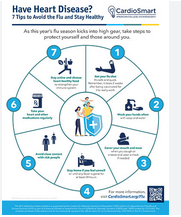
Healthy Living Practices to Follow to Prevent Disease
In today’s fast-paced world, many people focus on treating illnesses instead of preventing them. However, true health begins with daily habits that protect the body from disease. Healthy living is not about strict rules or perfection; it is about making consistent lifestyle choices that strengthen the immune system, improve mental well-being, and reduce the risk of chronic conditions such as heart disease, diabetes, obesity, and high blood pressure.
By following simple healthy living practices, anyone can improve their quality of life and enjoy long-term wellness.
1. Eat a Balanced and Nutritious Diet
Nutrition plays a major role in disease prevention. The food you eat directly affects how your body functions, repairs itself, and fights infections.
A healthy diet should include:
-
Fresh fruits and vegetables rich in vitamins, minerals, and antioxidants.
-
Whole grains like brown rice, oats, and whole wheat for better digestion.
-
Lean proteins such as beans, eggs, fish, and legumes.
-
Healthy fats from nuts, seeds, and olive oil.
Avoid excessive intake of processed foods, sugary snacks, soft drinks, and fast food. These foods increase the risk of obesity, diabetes, and heart problems. Instead, focus on natural, home-cooked meals that nourish your body.
2. Stay Physically Active Every Day
Regular physical activity is one of the most effective ways to prevent lifestyle diseases. Exercise improves blood circulation, strengthens muscles, supports heart health, and helps maintain a healthy weight.
You do not need a gym to stay active. Simple activities such as:
-
Walking or cycling
-
Playing sports
-
Dancing
-
Yoga or stretching
can significantly improve your physical and mental health. Aim for at least 30 minutes of moderate activity most days of the week. Physical movement also reduces stress and boosts energy levels.
3. Get Enough Quality Sleep
Sleep is essential for healing and recovery. During sleep, the body repairs tissues, balances hormones, and strengthens the immune system. Poor sleep habits can increase the risk of obesity, depression, heart disease, and weakened immunity.
Adults should aim for 7 to 9 hours of sleep each night. To improve sleep quality:
-
Maintain a regular sleep schedule.
-
Avoid screens before bedtime.
-
Keep your sleeping environment calm and dark.
Good sleep is a powerful natural medicine for disease prevention.
4. Manage Stress in Healthy Ways
Chronic stress can seriously harm both mental and physical health. It increases blood pressure, weakens immunity, and raises the risk of anxiety and depression.
Healthy stress management techniques include:
-
Deep breathing exercises
-
Meditation and mindfulness
-
Spending time in nature
-
Talking to friends or family
-
Listening to music or reading
Learning how to relax and disconnect from daily pressure helps the body function more efficiently and protects long-term health.
5. Drink Enough Water
Water is vital for digestion, detoxification, temperature control, and circulation. Dehydration can cause fatigue, headaches, and poor concentration.
Drinking enough water:
-
Helps remove toxins from the body.
-
Supports kidney and digestive health.
-
Improves skin and energy levels.
Replace sugary drinks with clean water or herbal teas to stay hydrated and healthy.
6. Avoid Harmful Habits
Certain habits significantly increase the risk of disease and should be avoided.
-
Smoking damages the lungs and causes cancer and heart disease.
-
Excessive alcohol affects the liver, brain, and immune system.
-
Drug abuse leads to serious physical and mental health problems.
Quitting harmful habits is one of the strongest steps toward a healthier life.
7. Maintain Good Hygiene
Good hygiene helps prevent the spread of infections and illnesses.
Simple hygiene practices include:
-
Washing hands regularly
-
Brushing teeth twice daily
-
Bathing frequently
-
Keeping living spaces clean
These habits protect you from bacteria, viruses, and common diseases.
8. Get Regular Health Checkups
Many diseases develop silently without symptoms. Regular medical checkups help detect health problems early before they become serious.
Routine screenings can monitor:
-
Blood pressure
-
Blood sugar levels
-
Cholesterol
-
Body weight
Early detection saves lives and reduces long-term medical costs.
9. Maintain a Healthy Weight
Excess body weight increases the risk of diabetes, heart disease, joint pain, and breathing problems. A healthy weight can be maintained through balanced nutrition, exercise, proper sleep, and stress control.
Focus on healthy habits, not extreme dieting. Sustainable changes lead to long-lasting results.
10. Build Positive Social Relationships
Strong relationships improve emotional health and reduce loneliness and depression. Spending time with family and friends provides emotional support and boosts mental well-being.
Social connection is often overlooked, yet it plays a major role in overall health and happiness.
Conclusion
Healthy living is a lifelong journey built on small, daily choices. You do not need to change everything at once. Start with simple steps like eating better, moving more, sleeping well, and managing stress.
Prevention is always better than cure. By adopting healthy living practices, you can reduce the risk of disease, increase energy levels, and enjoy a longer, more fulfilling life. Your body is your most valuable asset — take care of it, and it will take care of you.