When we think about mental health, most of us think of psychology: emotions, stress, relationships, and thoughts. But what if the answer to many unexplained mood swings, anxiety episodes, and emotional fatigue lies deep inside the body’s biological systems? A powerful yet overlooked connection exists between mental health and hormonal changes — an interaction that influences how we think, feel, and behave every day.
In this article, we’ll explore how hormones act as chemical messengers in the body, influence the brain, and can play a decisive role in mental well-being. We’ll also look at common hormonal changes that impact mood and emotional health, and practical ways to support balance.
1.What Are Hormones and Why Do They Matter?
Hormones are chemical messengers produced by the endocrine system. Unlike thoughts or emotions that originate in the brain, hormones work invisibly through the bloodstream, traveling to organs and tissues to regulate essential functions — including mood, sleep, stress response, energy, motivation, and emotional stability.
Think of hormones as the “invisible managers” of many body systems. When they are balanced, we feel energized, calm, focused, and emotionally steady. But when they fluctuate — whether due to stress, life stages, health conditions, or lifestyle habits — the results can extend beyond physical symptoms to affect the mind and mood.
2.Key Hormones That Influence Mental Health
Some hormones are better known than others when it comes to mood and brain health. Here are the most influential ones:
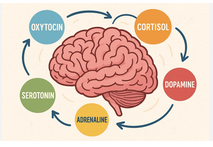
1. Cortisol – The Stress Hormone
Cortisol is produced by the adrenal glands and plays a major role in the body’s stress response. While temporary spikes help us handle danger or urgent tasks, chronically elevated cortisol from ongoing stress can lead to anxiety, sleep problems, irritability, and emotional burnout.
2. Serotonin – The “Feel-Good” Message Carrier
Serotonin is both a hormone and a neurotransmitter that stabilizes mood, promotes calmness, and supports emotional well-being. Low serotonin levels are linked with sadness, mood swings, and difficulty managing stress.
3. Estrogen – More Than a Reproductive Hormone
Although estrogen is often associated with fertility, it also affects areas of the brain tied to mood, memory, and emotional regulation. When estrogen levels drop — such as before a period or during menopause — many people feel increased anxiety, low mood, or mental fog.
4. Progesterone – The Relaxing Hormone
Progesterone helps balance brain chemistry and calm the nervous system. Low progesterone can contribute to emotional sensitivity, irritability, and stress.
5. Testosterone – Energy, Confidence, and Focus
Often called the male hormone, testosterone is present in all genders. It plays a role in motivation, energy, confidence, and mental clarity. Reduced levels can lead to fatigue, low motivation, and mood changes.
6. Thyroid Hormones – Mood and Cognitive Sharpness
The thyroid gland controls hormones (T3 and T4) that help regulate metabolism. Too little thyroid hormone can cause slowed thinking and sadness, while too much can lead to anxiety and nervousness.
3.How Hormonal Changes Affect Mental Health
Hormonal Fluctuations Across Life Stages
From puberty to pregnancy and menopause, hormone levels don’t stay constant — especially in women. These changes can significantly impact mood and emotional health.
-
Puberty: Brain and body changes can contribute to new emotional experiences and mood shifts.
-
Menstrual Cycles: Hormone levels rise and fall throughout the month, sometimes leading to premenstrual moodiness or anxiety.
-
Pregnancy and Postpartum: Massive hormonal changes can trigger emotional shifts and, in some cases, postpartum depression.
-
Perimenopause and Menopause: Declining estrogen and progesterone can increase risks of anxiety, depressive symptoms, and sleep disturbances.
These transitions aren’t “all in the mind” — they reflect real biochemical changes that affect how the brain functions.
4.The Two-Way Street: How Mental Health Affects Hormones Too
It’s not just that hormones affect your mood — emotions and mental health can influence hormone production and balance as well. Chronic stress, anxiety, and depression can alter how the body regulates hormones like cortisol, estrogen, and thyroid hormones.
For instance:
-
Persistent anxiety can keep cortisol high, which affects reproductive and sleep hormones.
-
Depression may alter serotonin and cortisol patterns in the body.
-
Emotional burnout can disrupt thyroid hormone regulation, causing fatigue and emotional imbalance.
This creates a cycle where mental health and hormones continuously affect one another.
5.Practical Ways to Support Hormonal and Mental Health
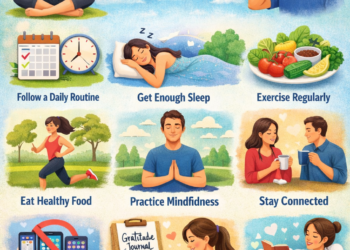
Understanding the link between hormones and mood empowers you to take actionable steps toward balance. Here are lifestyle strategies that can make a difference:
1. Prioritize Consistent, Restful Sleep
Sleep restores hormone rhythms, particularly cortisol and melatonin. Aim for 7–9 hours each night and stick to regular sleep schedules.
2. Incorporate Regular Physical Activity
Exercise supports balanced hormones and boosts mood-enhancing chemicals like serotonin and dopamine. Even 30 minutes of movement daily can help.
3. Eat a Balanced, Nutrient-Rich Diet
Fruits, vegetables, whole grains, protein, and healthy fats support hormone production and brain health. Nutrient deficiencies can disrupt hormone signaling.
4. Practice Stress-Reduction Techniques
Meditation, yoga, deep breathing, and mindfulness can help calm the nervous system and lower stress hormones like cortisol.
5. Seek Professional Support When Needed
If symptoms are severe or persistent, consult a healthcare provider for assessment. Treatment options may include therapy, hormone testing, medication, or specialized care from an endocrinologist or psychiatrist.
Conclusion
Mental health and hormonal changes are deeply interconnected — like two sides of the same biological coin. What we feel emotionally often reflects biological processes that we can’t always see, and understanding this connection helps us respond with both compassion and informed action.
From stress and sleep patterns to life stages and endocrine health, hormones shape our inner world as much as our physical one. By recognizing the influence of hormones on mood, we can take better steps toward overall health, balance, and well-being — and break the unnecessary stigma around mood changes that are rooted in biology.
If you’re curious about your own experiences or notice consistent patterns in mood changes — talk to a professional. Your mental health is complex, and hormones might be a key piece of the puzzle.