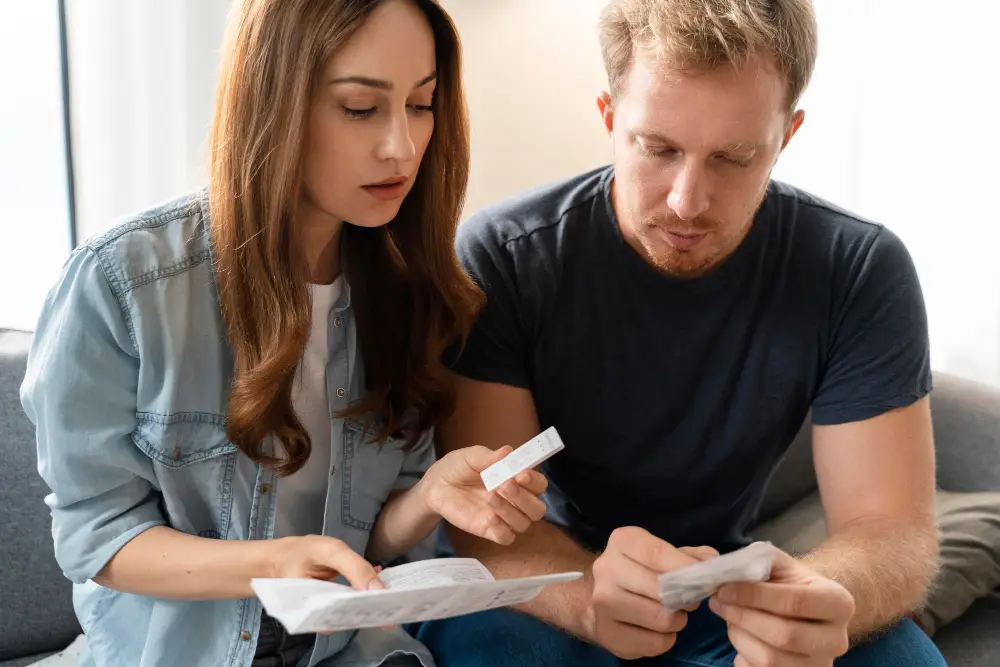
Ovulation is the moment one of your ovaries releases an egg. It usually happens once per menstrual cycle. Knowing the signs can help if you are trying to get pregnant, or if you simply want to understand your body better.
Here are the most common signs of ovulation and how to track them.
When Does Ovulation Happen?
In a 28-day cycle, ovulation usually happens around day 14. But cycles vary from person to person, and even month to month. A more useful rule is that ovulation tends to happen about 12 to 16 days before your next period starts.
Your fertile window is about 6 days long: the 5 days before ovulation and the day of ovulation itself. This is because sperm can survive in the body for several days.
8 Common Signs of Ovulation
1. Changes in cervical mucus
As ovulation nears, cervical mucus becomes clear, slippery, and stretchy, much like raw egg white. This is one of the most reliable signs you can check yourself.
2. Rise in basal body temperature
Your resting temperature rises slightly, usually by about 0.3 to 0.5°C (0.5 to 1°F), after ovulation and stays higher until your period. Tracking it daily shows you that ovulation has happened.
3. A positive ovulation test
Home ovulation tests detect a surge in luteinizing hormone (LH) in urine. Ovulation usually follows within about 24 to 36 hours.
4. Mild pelvic or lower abdominal pain
Some people feel a twinge or ache on one side of the lower abdomen. This is sometimes called mittelschmerz.
5. Breast tenderness
Hormone changes around and after ovulation can make breasts feel sore or sensitive.
6. Higher sex drive
Many people notice an increased libido around their most fertile days.
7. Light spotting
A small amount of light spotting can occur around ovulation for some people.
8. Changes in the cervix
Around ovulation, the cervix may feel higher, softer, and more open. This takes practice to notice.
How to Track Ovulation
- Calendar tracking: record your cycle length for several months.
- Cervical mucus checks: note daily changes in texture.
- Basal body thermometer: take your temperature at the same time each morning before getting up.
- Ovulation predictor kits: test urine for the LH surge.
- Apps and wearables: combine data to estimate your fertile window.
Using two or more methods together gives a clearer picture. Learn more about each stage in our guide to the menstrual cycle.
When to See a Doctor
Talk to a doctor or gynaecologist if:
- Your periods are very irregular or absent
- You see no signs of ovulation for several months
- You have very painful periods or pelvic pain
- You are under 35 and haven’t conceived after 12 months of trying, or 35 and over after 6 months
Conditions such as PCOS and thyroid problems can affect ovulation and are treatable.
How to Calculate Your Ovulation Day
You can estimate ovulation with a simple calculation:
- Track the length of your cycles for at least three months. Day 1 is the first day of full bleeding.
- Find your average cycle length.
- Subtract 14 days from that number.
For example, with a 30-day cycle, ovulation is likely around day 16. With a 26-day cycle, it’s likely around day 12. This is only an estimate, because the time between ovulation and your period can vary from about 12 to 16 days.
If your cycles are irregular, calendar methods are less reliable. Combining body signs with ovulation tests gives a better picture.
Understanding Cervical Mucus Changes
Cervical mucus changes through your cycle in a fairly predictable pattern:
- Just after your period: little or no mucus, a dry feeling.
- Early in the cycle: sticky, thick, or creamy mucus.
- Approaching ovulation: wetter, thinner, and more slippery.
- Around ovulation: clear and stretchy, like raw egg white. This is your most fertile time.
- After ovulation: mucus becomes thicker or dries up again.
Check by wiping with clean toilet paper before urinating, or by noting the feeling of wetness through the day.
How to Use Ovulation Test Kits
- Start testing a few days before you expect to ovulate.
- Test at the same time each day, usually in the afternoon.
- Avoid drinking lots of fluids just before testing, which can dilute urine.
- A positive result usually means ovulation will happen within the next day or so.
- Your most fertile days are the day of the positive test and the following day.
People with PCOS may get several positive results, because LH levels can stay high. In this case, other tracking methods may be more useful.
Basal Body Temperature Tracking Tips
- Use a sensitive basal thermometer.
- Measure first thing in the morning, before getting out of bed or drinking anything.
- Take your temperature at the same time every day.
- Record readings on a chart or app.
- Look for a sustained rise of about 0.3 to 0.5°C that lasts at least three days.
Illness, alcohol, poor sleep, and travel can affect readings, so note anything unusual.
Signs You May Not Be Ovulating
Some cycles happen without ovulation, called anovulatory cycles. Possible signs include:
- Very irregular or unpredictable periods
- Missed periods for several months
- Very light or very heavy bleeding
- No egg-white mucus or temperature rise
- Consistently negative ovulation tests
Occasional anovulatory cycles are common, especially in the teen years and approaching menopause. If it happens often, see a doctor.
Lifestyle Habits That Support Healthy Ovulation
- Maintain a healthy weight, since both very low and high body weight can disrupt ovulation.
- Eat a balanced diet with plenty of vegetables, whole grains, and protein.
- Exercise regularly, but avoid extreme training without enough food.
- Manage stress with relaxation, sleep, and enjoyable activities.
- Limit alcohol and avoid smoking.
- Ask your doctor about folic acid if you’re trying to conceive.
To learn how ovulation fits into the full cycle, read the menstrual cycle explained.
Frequently Asked Questions
How long does ovulation last?
The egg survives for about 12 to 24 hours after it’s released. Because sperm can live for several days, the fertile window is longer.
Can I ovulate twice in one cycle?
Occasionally two eggs are released within about 24 hours of each other, which can lead to fraternal twins. Separate ovulations days apart in one cycle are not typical.
Can you ovulate without any symptoms?
Yes. Many people ovulate without noticing any signs. Tracking tools can help.
Can you get pregnant outside the fertile window?
It’s unlikely, but cycles can shift. If you want to avoid pregnancy, use reliable contraception rather than tracking alone.
Can stress delay ovulation?
Yes. Stress, illness, travel, and big changes in weight or exercise can delay ovulation.
Disclaimer: This article is for general information only and is not a substitute for professional medical advice. Always consult a qualified doctor about your health.