

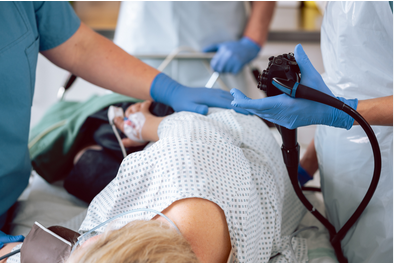
Colonoscopy is one of the most important medical tests for maintaining digestive health and preventing serious diseases like colon cancer. Despite its importance, many people feel anxious or confused about this procedure due to a lack of proper understanding.
In this complete guide, you will learn what a colonoscopy is, why it is done, how it works, its benefits, risks, and everything you need to know before getting one.
What is a Colonoscopy?
A colonoscopy is a diagnostic medical procedure used to examine the inner lining of the large intestine (colon) and rectum. It is performed using a long, flexible tube called a colonoscope, which has a tiny camera and light attached to it.
This camera sends real-time images to a screen, allowing doctors to carefully inspect the colon for abnormalities such as inflammation, ulcers, polyps, or tumors.
Colonoscopy is widely considered the gold standard test for detecting colon-related diseases, especially colorectal cancer.
Why is Colonoscopy Done?
Doctors recommend a colonoscopy for several important reasons. It is used both to detect diseases early and to diagnose existing symptoms.
1. Colon Cancer Screening
One of the primary reasons for a colonoscopy is screening for colon cancer. Many cases of colon cancer begin as small growths called polyps. These polyps often do not cause symptoms in the early stages.
During a colonoscopy, doctors can identify and remove these polyps before they turn into cancer. This makes the procedure not just diagnostic but also preventive.
2. To Investigate Digestive Symptoms
If you are experiencing unusual digestive issues, a colonoscopy can help identify the cause. These symptoms include:
- Blood in stool
- Persistent diarrhea or constipation
- Chronic abdominal pain
- Sudden, unexplained weight loss
Instead of guessing, this test provides a clear and direct view of what is happening inside your colon.
3. Diagnosis of Digestive Disorders
Colonoscopy is also used to diagnose conditions such as:
- Ulcerative colitis
- Crohn’s disease
- Inflammatory bowel disease (IBD)
- Intestinal infections
These conditions often require long-term management, and early diagnosis is key to effective treatment.
4. Follow-Up After Other Tests
Sometimes, other tests like stool tests, CT scans, or X-rays show abnormal results. In such cases, a colonoscopy is done to confirm the diagnosis and provide a more detailed examination.
Colonoscopy Procedure: Step-by-Step
Understanding the process can help reduce fear and make you feel more prepared.
1. Preparation (Bowel Prep)
Preparation is a crucial part of colonoscopy. A clean colon allows doctors to see clearly.
You may be asked to:
- Follow a liquid diet for a day
- Avoid solid foods
- Take laxatives to empty your bowels
Although this step can feel uncomfortable, it is essential for accurate results.
2. During the Procedure
On the day of the test:
- You will be given sedation to help you relax
- The colonoscope is gently inserted through the rectum
- The doctor examines the colon carefully
- Air or carbon dioxide is used to expand the colon
If any polyps are found, they can be removed immediately. Tissue samples (biopsies) may also be taken for testing.
The procedure usually takes 30 to 60 minutes.
3. After the Procedure
After the colonoscopy:
- You may feel mild bloating or gas
- You will need some time to recover from sedation
- Most patients go home the same day
It is advised not to drive immediately after the procedure.
Who Should Get a Colonoscopy?
Colonoscopy is recommended for:
- Adults aged 45 years and older
- People with a family history of colon cancer
- Individuals with ongoing digestive symptoms
- Patients with previous polyps or colon diseases
Regular screening is especially important because early-stage colon cancer often shows no symptoms.
Benefits of Colonoscopy
Colonoscopy offers several life-saving benefits:
1. Early Detection
It helps detect colon cancer at an early stage when treatment is more effective.
2. Prevention
By removing polyps, colonoscopy can prevent cancer from developing.
3. Accurate Diagnosis
It provides a clear and direct view of the colon.
4. Immediate Treatment
Doctors can perform minor treatments during the same procedure.
Risks of Colonoscopy
Although colonoscopy is generally safe, there are some rare risks:
- Bleeding after polyp removal
- Reaction to sedation
- Infection
- Very rare cases of colon perforation
These complications are uncommon, especially when the procedure is done by experienced professionals.
Is Colonoscopy Painful?
Most people do not feel pain during a colonoscopy because sedation is used. You may feel slight pressure or discomfort, but it is usually minimal.
Interestingly, many patients say that the preparation stage is more uncomfortable than the procedure itself.
Colonoscopy Preparation Tips
To ensure a smooth experience:
- Follow your doctor’s instructions carefully
- Drink plenty of water
- Complete the bowel preparation fully
- Wear comfortable clothing
- Arrange transportation after the procedure
Proper preparation directly affects the accuracy of your results.
When Should You See a Doctor?
You should not ignore warning signs. Consult a doctor if you experience:
- Blood in stool
- Persistent abdominal pain
- Changes in bowel habits
- Unexplained weight loss
Early diagnosis can make a significant difference in treatment outcomes.
Conclusion
Colonoscopy is a safe, effective, and life-saving procedure that plays a crucial role in maintaining digestive health. It not only helps detect serious conditions early but also prevents diseases like colon cancer.
If you are over 45 or experiencing digestive issues, it is wise to discuss colonoscopy with your doctor. Taking this step can protect your health and give you peace of mind.


